
Independence
Building skills in self-care and daily living tasks through explicit teaching, graded approaches and collaboration with supports.

North & North-Eastern Adelaide · Gawler · Port Adelaide
Warm, evidence-based occupational therapy for children and adolescents aged 4 to 17, and into young adulthood, helping young people build the skills and confidence to thrive in their own environments.
Where I visit
Therapy fits into the rhythm of a child's day. I bring it to where the goals actually live.
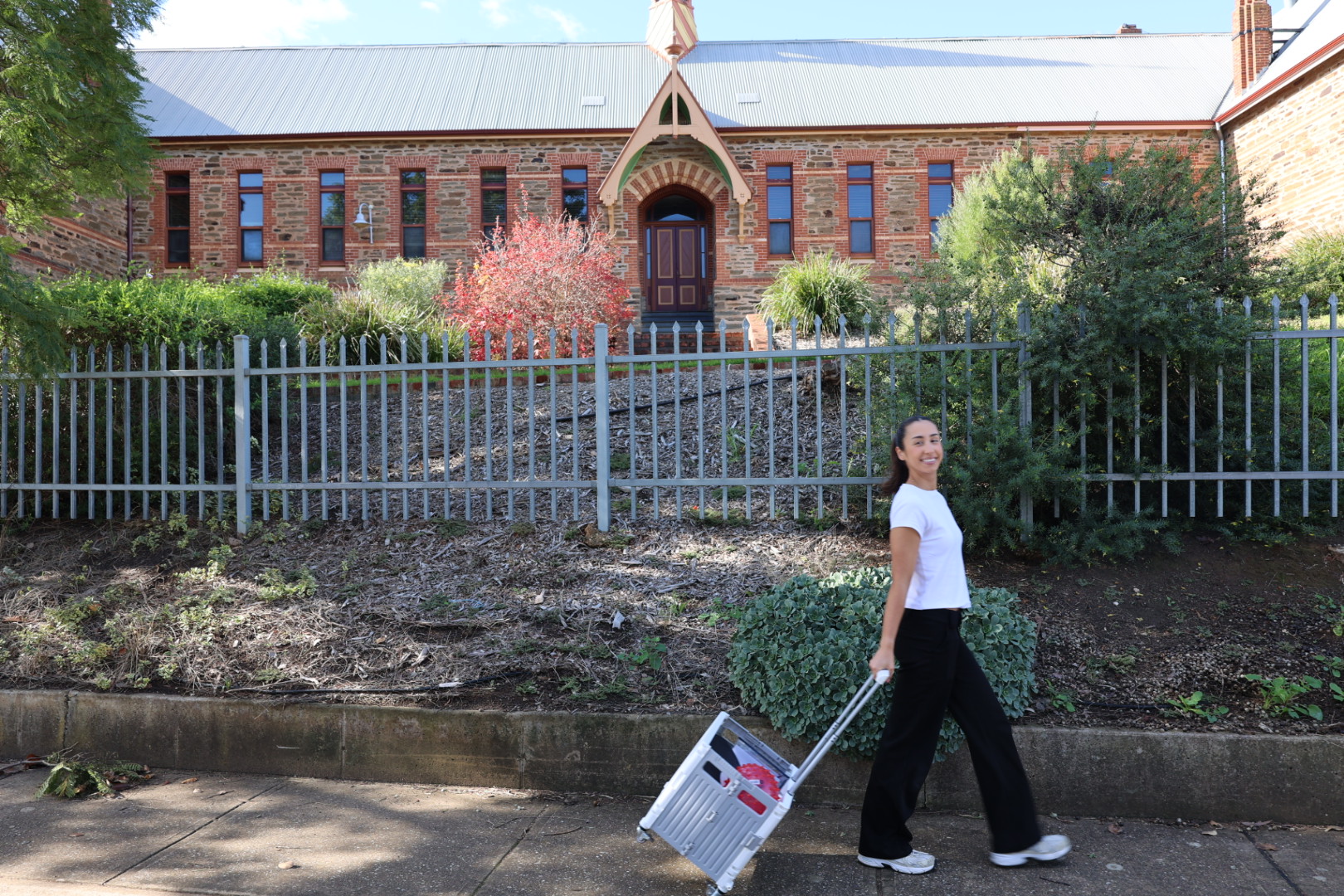
Classroom observation, teacher collaboration and 1:1 work in the place children spend most of their day.
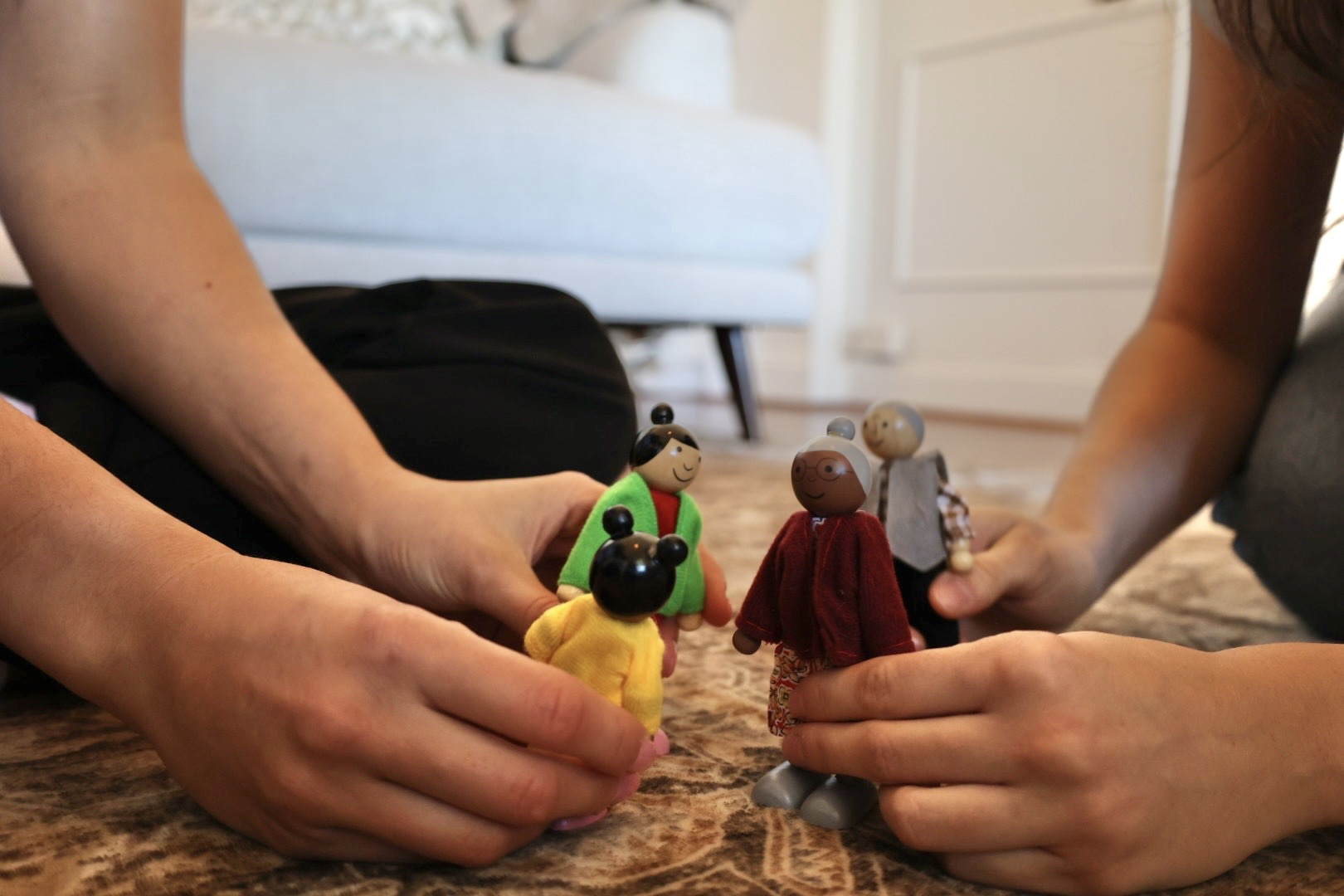
Therapy embedded into your real routines, mornings, mealtimes, homework, after-school.
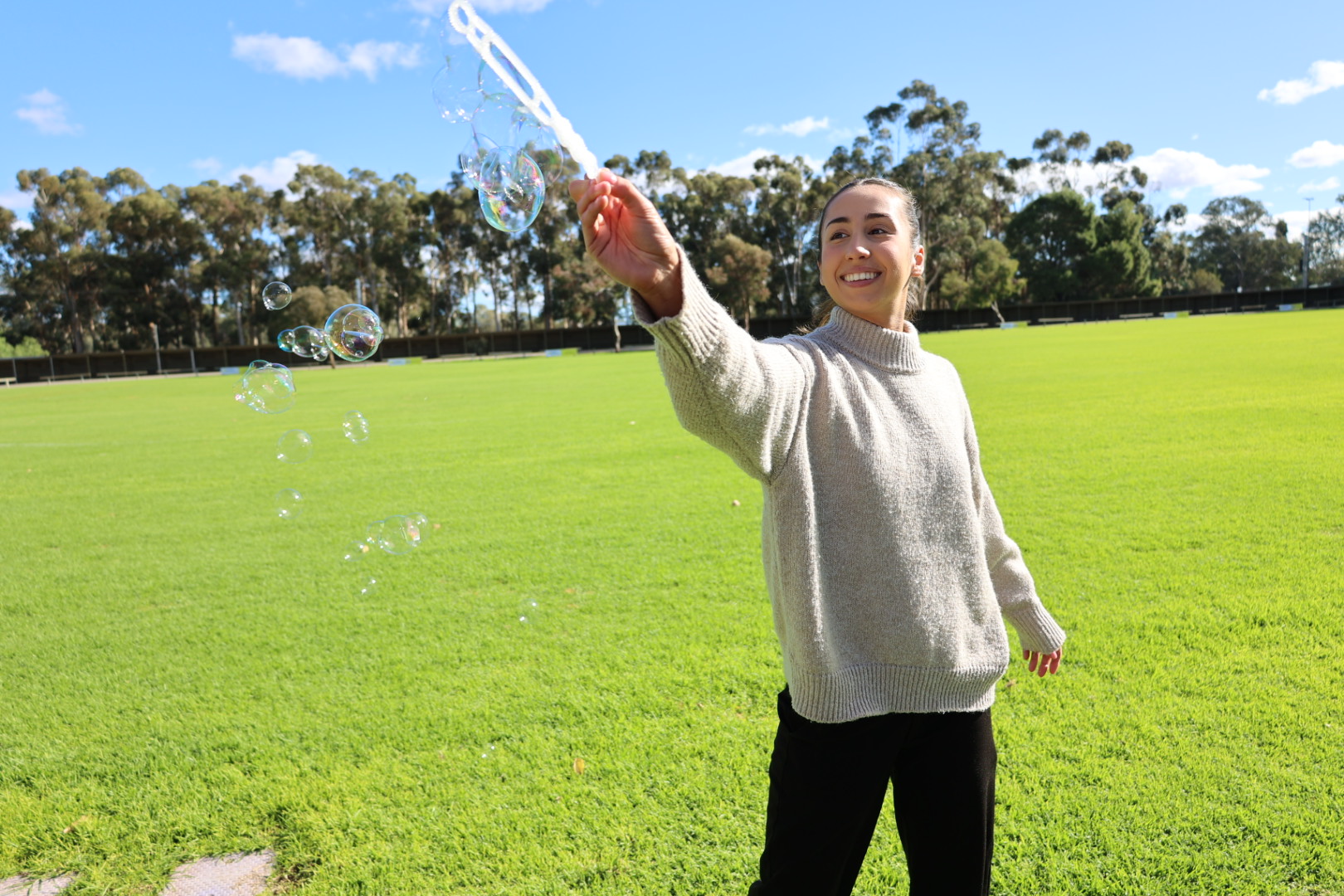
Occupational therapy that meets you where you're at, translating skills learned in therapy into real-life contexts.
How it works
No paperwork before we've spoken. No pressure to commit. Just a clear, human path so you know what to expect.
A no-pressure phone or video call so you can ask anything and we can check fit before booking anything.
We clarify goals and discuss approaches, older children are welcome to join.
I meet your child where they are. Rapport and regulation come first.
Grounded in connection and consistency. We review progress and goals together.
My Approach
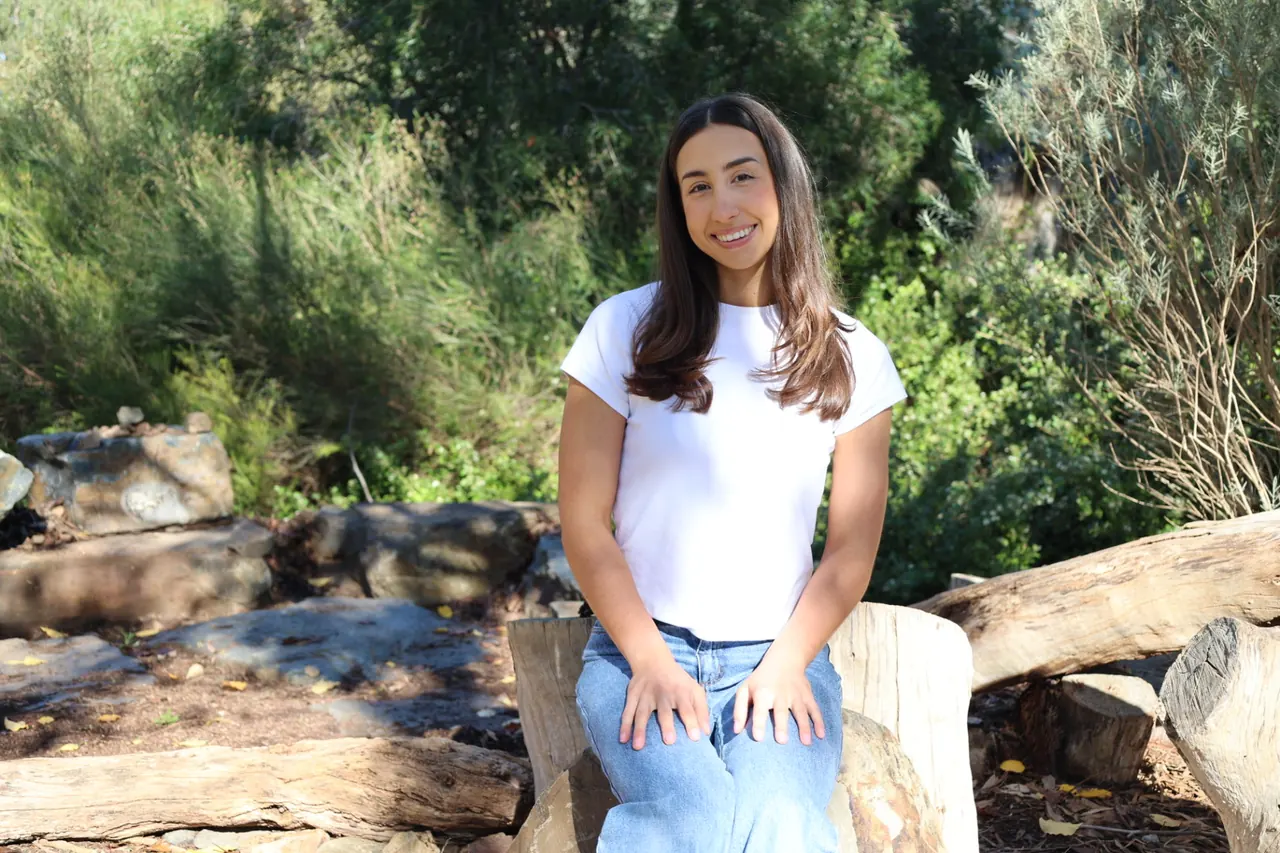
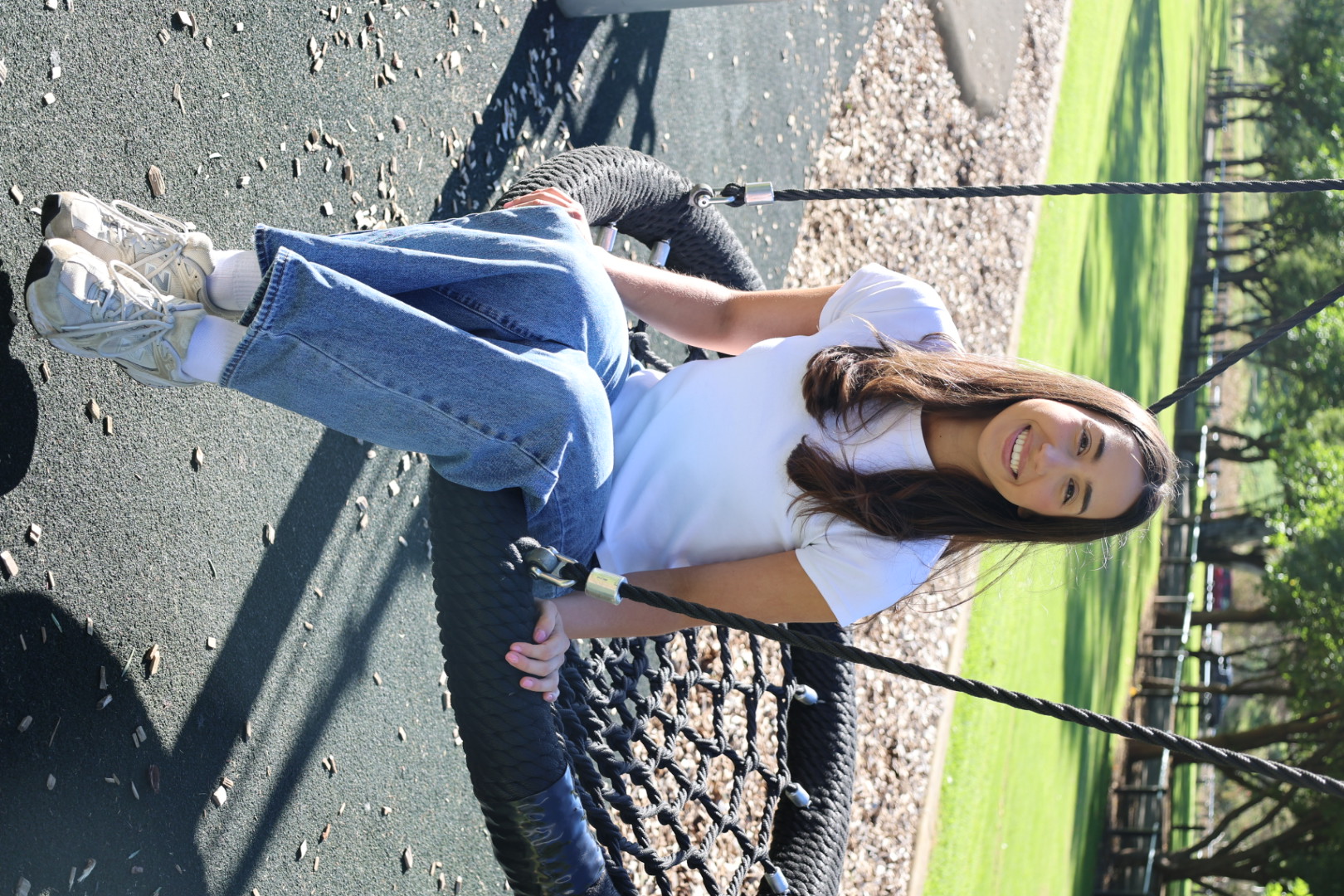
Hi, I'm Tamsyn, a community-based occupational therapist across North & North-Eastern Adelaide, Gawler and Port Adelaide. I work with children and adolescents aged 4 to 17, and can continue supporting them into young adulthood.
Therapy with me is grounded in connection, consistency and your child's goals, with a coaching approach that helps families and educators weave skills into daily life rather than just into a session. You're the expert on your child, I bring the OT lens, and if I'm not the right fit, I'll help you find who is.
I have knowledge and interest in:
Areas of support
Building skills in self-care and daily living tasks through explicit teaching, graded approaches and collaboration with supports.
Exploring and developing skills in beginning tasks, completing multi-step tasks, memory, impulse control and flexible thinking.
Supporting young people and the adults around them to understand sensory needs and how to meet them day to day.
Developing gross and fine motor skills for play, learning and daily life.
Building on a young person's existing strengths to support play, friendships and connection.
Supporting young people to recognise their body signals, translate this into emotional meaning and build regulation and co-regulation skills.
Frequently asked
Occupational Therapy (OT) is about helping people do the everyday things that matter to them in a way that's practical and meaningful in everyday life. This might look like connecting with others, playing, school activities, self-care and learning routine tasks at home.
Before I begin therapy sessions with your child, I like to have a carer-only session, in person or by phone. This gives us a chance to talk through goals and what's been going on, and for you to see if I'm the right fit for your child. Older children are very welcome to join this session too. For young adults, some attend independently and others prefer to bring someone close to them.
The first session looks different for everyone, depending on age, development and interests. Sometimes sessions are play-based, sometimes more talk-based to explore goals and other times we focus on connection through shared activities.
Across every first session, rapport comes first. I focus on connection, safety and regulation before we address goals.
Yes! I will always communicate with teachers and school staff since this is where your child spends most of their time outside of home. Consistency across therapy, home and school environments can support carryover of skills into daily life.
I work closely with parents and carers to make sure strategies are practical and can be embedded into your existing routines at home. Skills tend to carry over more readily when they're practised consistently across settings, so parent involvement can be really helpful.
For older children, some prefer to have a parent or carer present in sessions, while others prefer to attend by themselves. I will always respect their choice and follow their lead with this.
Most occupational therapy sessions are funded through 'Capacity Building' supports under 'Improved Daily Living' budgets. In some cases, other parts of plans may be used, which depends on goals and how your plan is set up.
If you're unsure, I'm always happy to talk it through with you. Or, your support coordinator or local area coordinator may be able to help.
A functional capacity assessment is a detailed assessment used to understand how a person manages everyday activities in their daily life. This involves looking at things like self-care, home tasks, communication, mobility, learning, social participation, work and community access. It also considers the support someone has in place and what they need to participate more independently and safely.
The outcome is a clear and comprehensive report that describes a person's strengths, challenges and functional needs, and is often used to provide evidence of supports a client needs through NDIS and guide intervention planning.
Can't find your answer? Send me your question and I'm happy to help.